Tsavo East National Park
Maasai Mara National Reserve
Samburu National Reserve
Buffalo Springs National Reserve
Shaba National Reserve
Hell's Gate National Park
Amboseli National Park
Tsavo West National Park
Meru National Park
National Parks & Wildlife Reserves

Explore world-famous parks teeming with wildlife and natural beauty

Tsavo East National Park
Ancient lava flows and riverside wildlife.

Tsavo East National Park

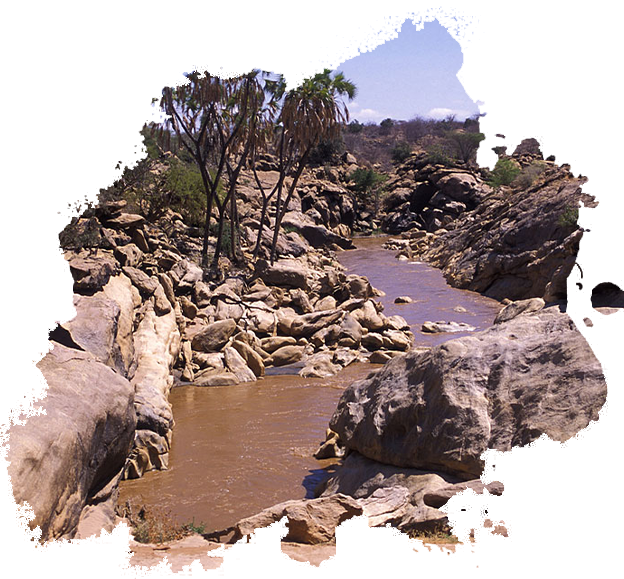
Tsavo East National Park was established in 1948 and covers an area of 13,747 km2 (5,308 sq. mi). It is situated in a semi-arid area previously known as the Taru Desert. Together with Tsavo West National Park it forms an area of about 22,000 square kilometers. The Tsavo River flows west to east through the national park. The Galana River also flows through the park. . River Athi and Tsavo rivers converge inside the park to form the Athi-Galana-Sabaki River. The park is generally flat, with dry plains. Other physical features found in the park include the Yatta Plateau and Lugard Falls Most of the park consists of semi-arid grasslands and Savannah.


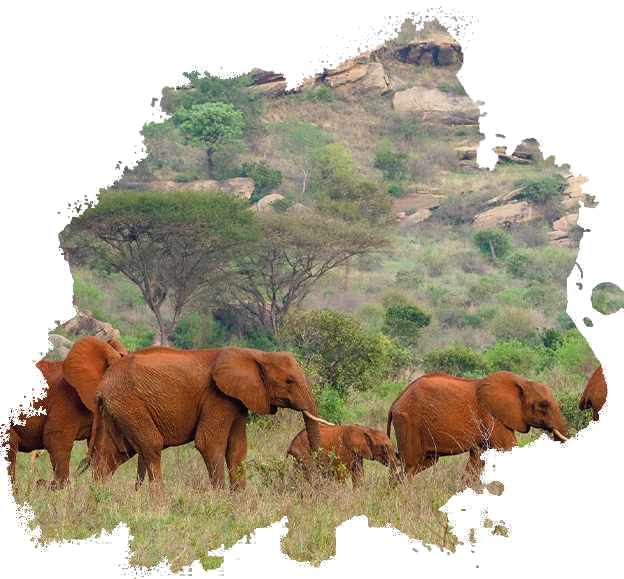
The Yatta Plateau, the world's longest lava flow runs along the western boundary of the park above the Athi-Galana-Sabaki River. Its 290 km length was formed by lava from Ol Donyo Sabuk Mountain. Another physical attraction inside the park is the Mudanda Rock a 1.6 km (0.99 mil) an isolated stratified rock that acts as a water catchment that supplies a natural dam below. It offers an excellent vantage point for the hundreds of elephants and other wildlife that come to drink during the dry season. Lugard Falls, named after Frederick Lugard, is a series of white water rapids on the Athi-Galana-Sabaki River. Aruba Dam was built in 1952 across the Voi River. The dam attracts many animals and water birds.

Iconic savannah, migration, and Maasai culture.

Maasai Mara National Reserve

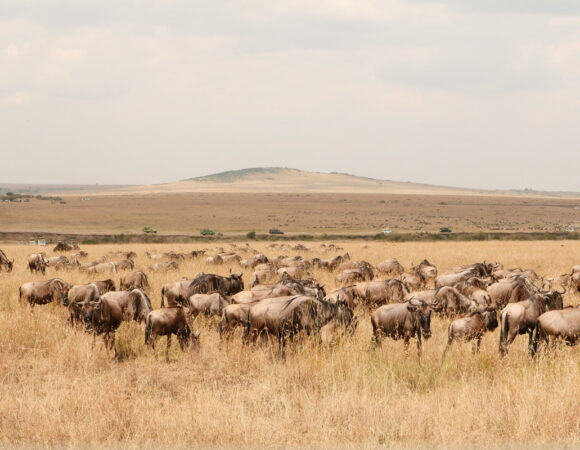
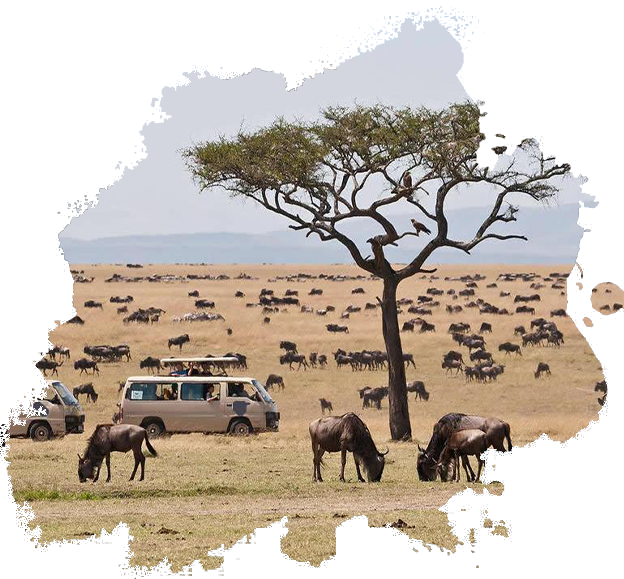
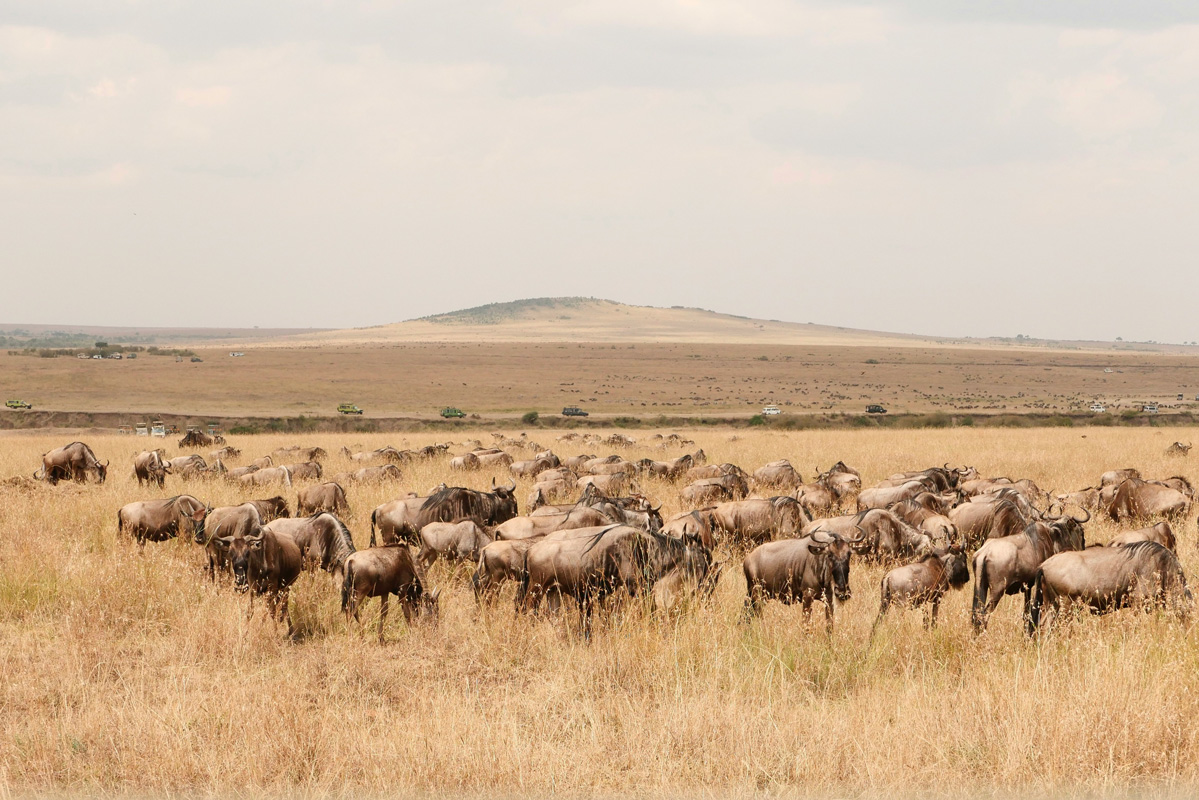
Maasai Mara National Reserve is an area of preserved savannah wilderness in southwestern Kenya, along the Tanzanian border. It was established in 1961 and covers an area of 1,510 km². Its animals include lions, cheetahs, elephants, zebras and hippos. Wildebeest traverse its plains during their annual migration into Serengeti National Park in Tanzania and back. The landscape has grassy plains and rolling hills, and is crossed by the Mara and Talek rivers. The area nearby is dotted with villages (enkangs) of Maasai people.


A number of conservancies and group ranches border the main reserve and is home to a variety of wildlife species. It is also home of the annual wildebeests which occurs between July and mid-September during which a million plus wildebeests, zebra and other wild animals cross into the Mara from Serengeti. The spectacle leads animals into crossing crocodile infested rivers. A visit to a traditional Maasai Village allows visitors a fantastic experience into the unique way of life of the famous Maasai peoples, a nomadic tribe found in Kenya and parts of Tanzania. There are also nature walks, bush meals and sundowners as some of the other popular things to do in Maasai Mara as a tourist visiting this reserve.

Maasai Mara National Reserve
Samburu National Reserve
Rare northern wildlife and riverside predators.

Samburu National Reserve

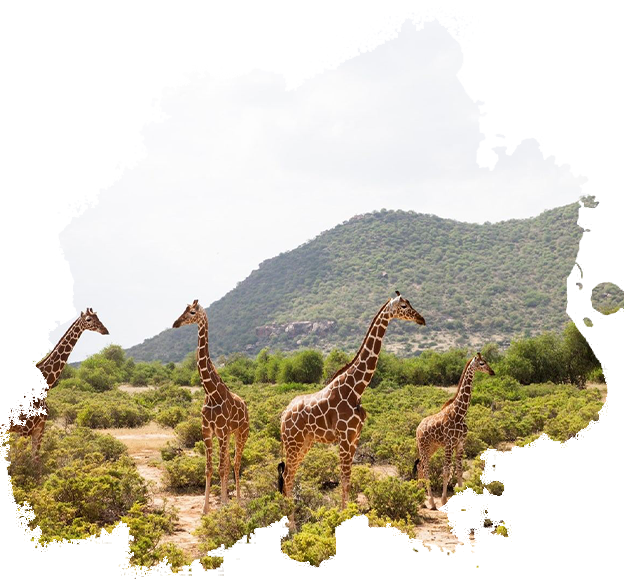
Samburu National Reserve is located in Northern Kenya and sits on the banks of Ewaso Ng’iro which separates it from the Buffalo Springs National Reserve. This remote pristine game reserve measures 165km2.Samburu National Reserve is located in Northern Kenya and is a premier game reserve situated on the banks of the Ewaso Ng'iro River. Samburu Reserve is a unique wildlife conservation haven famous for an abundance of rare species of animals such as the Grevy Zebra, Somali Ostrich, Reticulated Giraffe, Gerenuk and the Beisa Oryx.


The reserve is also home to a population of close to 900 Elephants. Large predators such as the Lion, Leopard and Cheetah are an important attraction.It was also home to Kamunyak (the blessed one) a famous Lioness that had adopted a baby Oryx. Samburu is in fact one of the better locations in Kenya to spot a Leopard. Wild dog sightings are also a common attraction to this unique protected area and birdlife is abundant with over 450 recorded species. Samburu as a wildlife eco system also comprises a number of conservancies and group ranches bordering the main reserve such as the Kalama Conservancy, West Gate Community Conservancy and Namunyak Wildlife Conservancy.

Arid volcanic plains and oasis-fed wildlife.

Buffalo Springs National Reserve

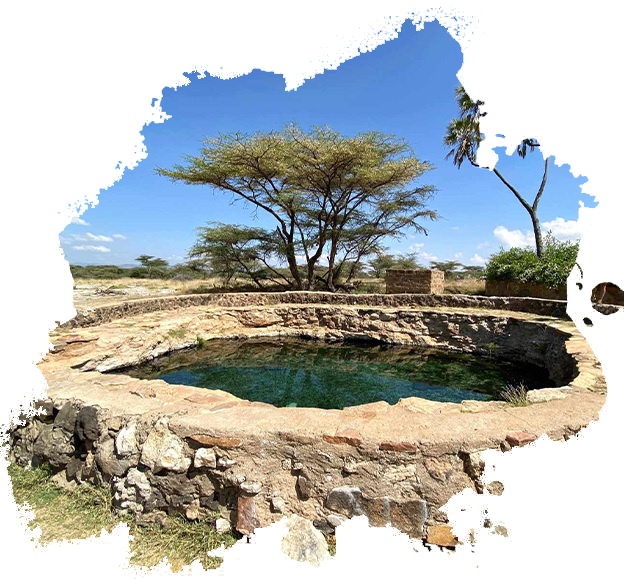
The reserve was established in 1948 as part of the Samburu - Isiolo Game Reserve and the present boundaries were established in 1985 to conserve and protect the beautiful arid place. Buffalo springs are the main water source in the area. The reserve has an area of 131 square kilometers (51 sq. mi), and its altitude ranges are between 850 meters (2,790 ft.) and 1,230 meters (4,040 ft.) above sea level. The Buffalo Springs National Reserve is located south of the Samburu National Reserve. The reserve is managed by the Isiolo County Government.


It is named after an oasis of clear water at its western end which were formed as a result of rising of underground streams originating from Mt. Kenya. It is a gently rolling lowland plain of old lava flows and volcanic soils of olivine basalt. The main feature is the Champagne Ride in the southeast, an ancient lava-terrace. The climate is hot, dry and semi-arid. Wildlife found here includes Grants Zebra, the endangered Grevys zebra, reticulated giraffe, the African bush elephant, Oryx, gerenuk, African buffalo, lion, leopard, cheetah and hyena. Over 365 species of bird have been recorded in the reserve. Somali and Masai ostrich’s are also widespread.
Buffalo Springs National Reserve
Shaba National Reserve
Rugged volcanic beauty and tranquil rare-species sightings.

Shaba National Reserve

Shaba National Reserve is administered by the Isiolo County Government. It was gazetted in 1974.Shaba National Reserve spans 239km2 and forms part of the greater ecosystem that includes Samburu and Buffalo Springs National Reserve. It is named after the volcanic Mount Shaba and is bordered to the west by the life-giving Ewaso Nyiro River.


The reserve is celebrated for its rugged beauty, unique dry land ecosystem, and populations of rare species including Grevy’s zebra, reticulated giraffe, gerenuk, Beisa and Oryx. It was once the home of Joy Adamson, author of Born Free, who rehabilitated lions and leopards here. Her legacy still echoes in the landscapes, and her former campsite has been transformed into a lodge. There are fewer crowds in Shaba thus making game viewing relaxed and intimate.

Ancient Gorges, Modern Adventure

Hell's Gate National Park

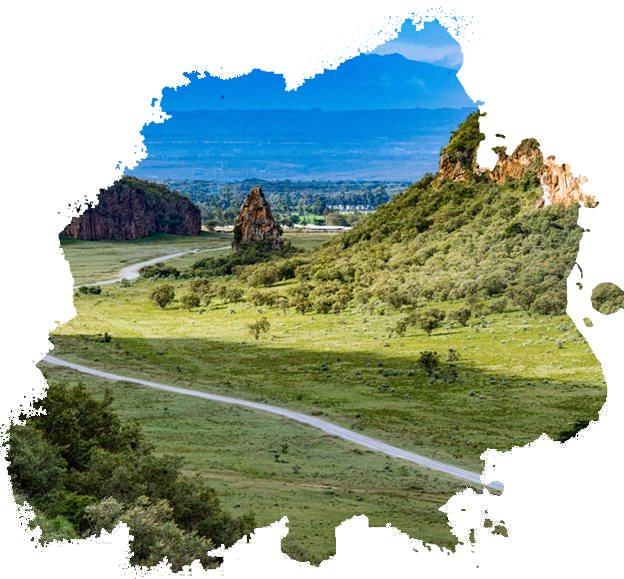
Hell's Gate National Park is located near Lake Naivasha. It was named after a narrow break in the cliffs, once a tributary of a prehistoric lake that fed early humans in the Rift Valley. It was established in 1984. The park boasts of panoramic picnic sites, stunning views, abundant flora and fauna, towering cliffs, water gouged gorges and geothermal steams from Olkaria Geothermal 1 power station which is located inside the park.


Beyond its geological wonders, the park offers a rare opportunity for visitors to trade the confines of a safari vehicle for the freedom of a bicycle or a pair of hiking boots. As one of the few Kenyan parks where walking and cycling are permitted, it provides an intimate encounter with herds of zebra, gazelle, and eland roaming across the grassy plains. For the more adventurous, the sheer obsidian-flecked walls of Fischer’s Tower present a world-class challenge for rock climbers, while the cooling mists of the lower gorges offer a surreal trek through sculpted sandstone and hidden hot springs.

Hell's Gate National Park
Amboseli National Park
Experience the "Land of Giants"

Amboseli National Park

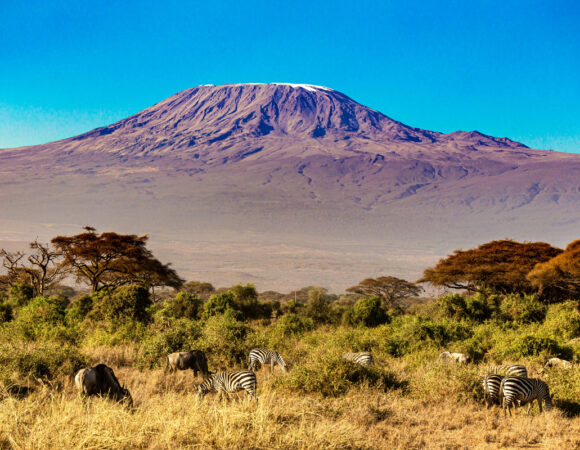
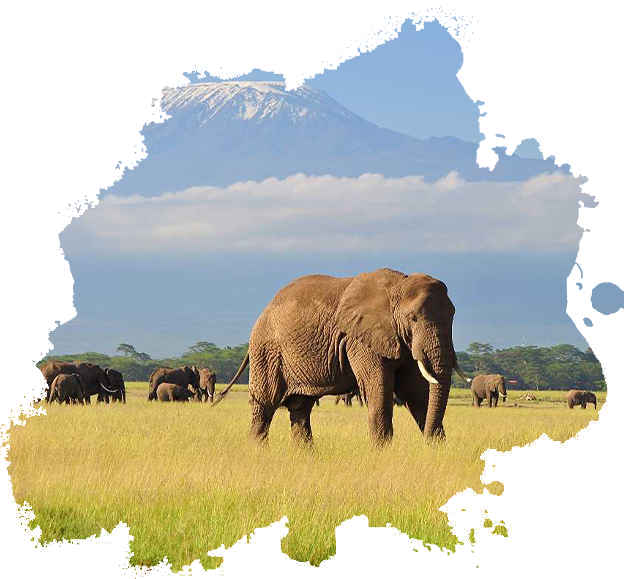
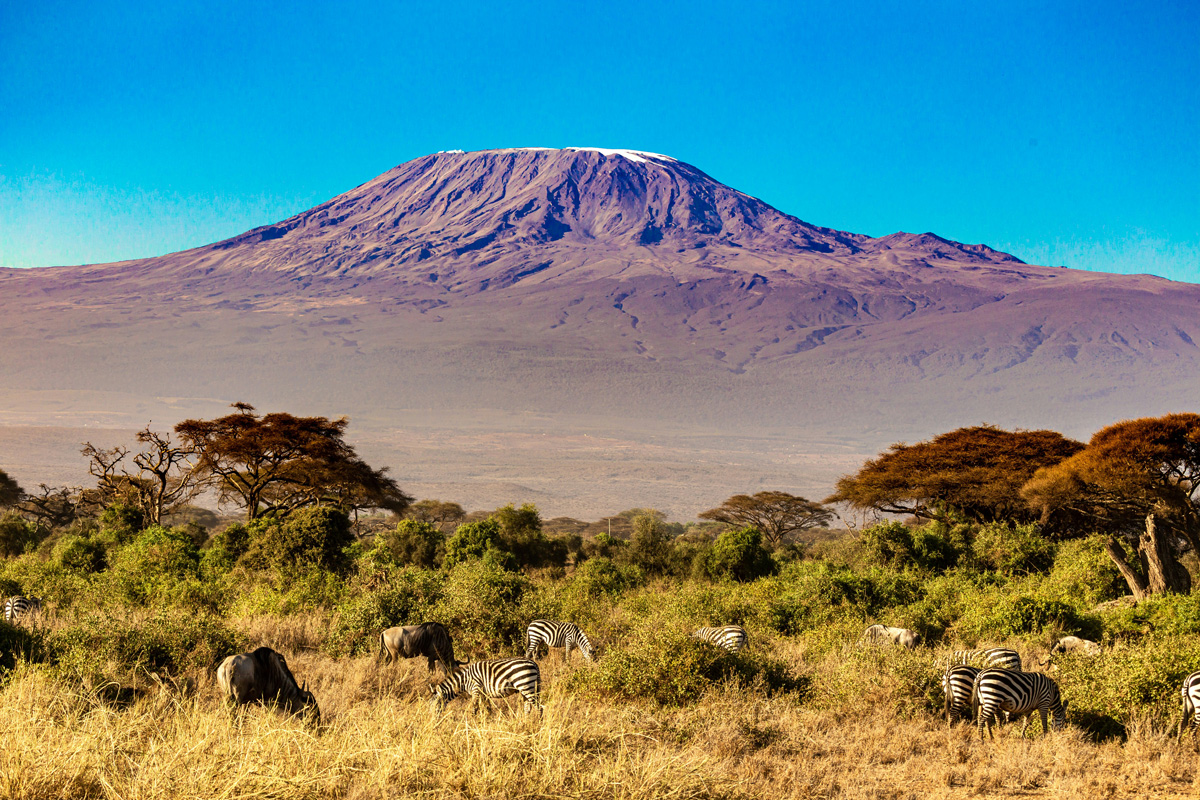
Amboseli was set aside as the Southern Reserve for the Maasai community by the colonial government in 1906, but it was given back to the local authority as a game reserve in 1948. It was gazetted as a National Park in 1974, and in 1991, it was declared a UNESCO Biosphere Reserve. Amboseli National Park stands as a renowned wildlife conservation area situated in the southern region of Kenya. Its phenomenally rich biodiversity and outstanding views of Mt. Kilimanjaro make it one of the country's top tourist attractions.


Amboseli is famous for its extraordinary opportunities for close encounters with free-roaming members of the Big Five. The park is home to large numbers of African elephants, creating the perfect opportunity to view massive herds in a single safari—a prime destination for both photographers and wildlife enthusiasts. The park's unique charm lies in its authentic Maasai culture and its ability to offer an unforgettable safari experience amidst the inspiring natural beauty of Mother Nature, making it a must-visit destination for anyone looking to experience the magic of the Kenyan wilderness.

The Land of Lava and Legends

Tsavo West National Park

Established in 1948, Tsavo West National Park spans 9,065 square kilometers of rugged, scenic wilderness in southern Kenya. Part of the greater Tsavo ecosystem and separated from Tsavo East by the Nairobi-Mombasa highway, this park is defined by its dramatic geological features. It is home to the crystal-clear Mzima Springs, which surges from beneath volcanic rocks, and the Shetani lava flow—a stark reminder of eruptions from the nearby Chyulu Hills that local communities once associated with the devil.


Beyond its striking landscapes, the park is steeped in the legendary history of the "Man-eaters of Tsavo" lions. Today, its wetter climate and mountainous terrain provide a sanctuary for a diverse array of wildlife, including the Big Five and rare bird species like the Basra Reed Warbler. Whether exploring its volcanic peaks or tracking massive herds across the plains, Tsavo West remains one of Kenya's most magnificent and historic game-viewing destinations.

Tsavo West National Park
Meru National Park
Meru National Park
Wild, Quiet, and Untamed

Meru National Park

Established in 1968, Meru National Park covers 870 km2 of diverse landscape, ranging from rolling grasslands and dense jungles to winding rivers and swamps. It gained global fame through the 1966 film Born Free, which chronicled the lives of the Adamsons and their journey releasing Elsa the lioness back into the wild. This legendary history remains a major draw for visitors seeking a park with a deep, soulful connection to conservation.


As one of Kenya’s less crowded destinations, Meru offers a tranquil and authentic wilderness experience. It is home to the complete "Big Five" and a variety of other species, including reticulated giraffes, Grevy’s zebras, and cheetahs. For nature lovers, the park’s pristine environment and rich biodiversity make it an incredible destination for a quiet, intimate safari away from the beaten path.

Explore. Experience. Celebrate.

Let Africa steal your heart.